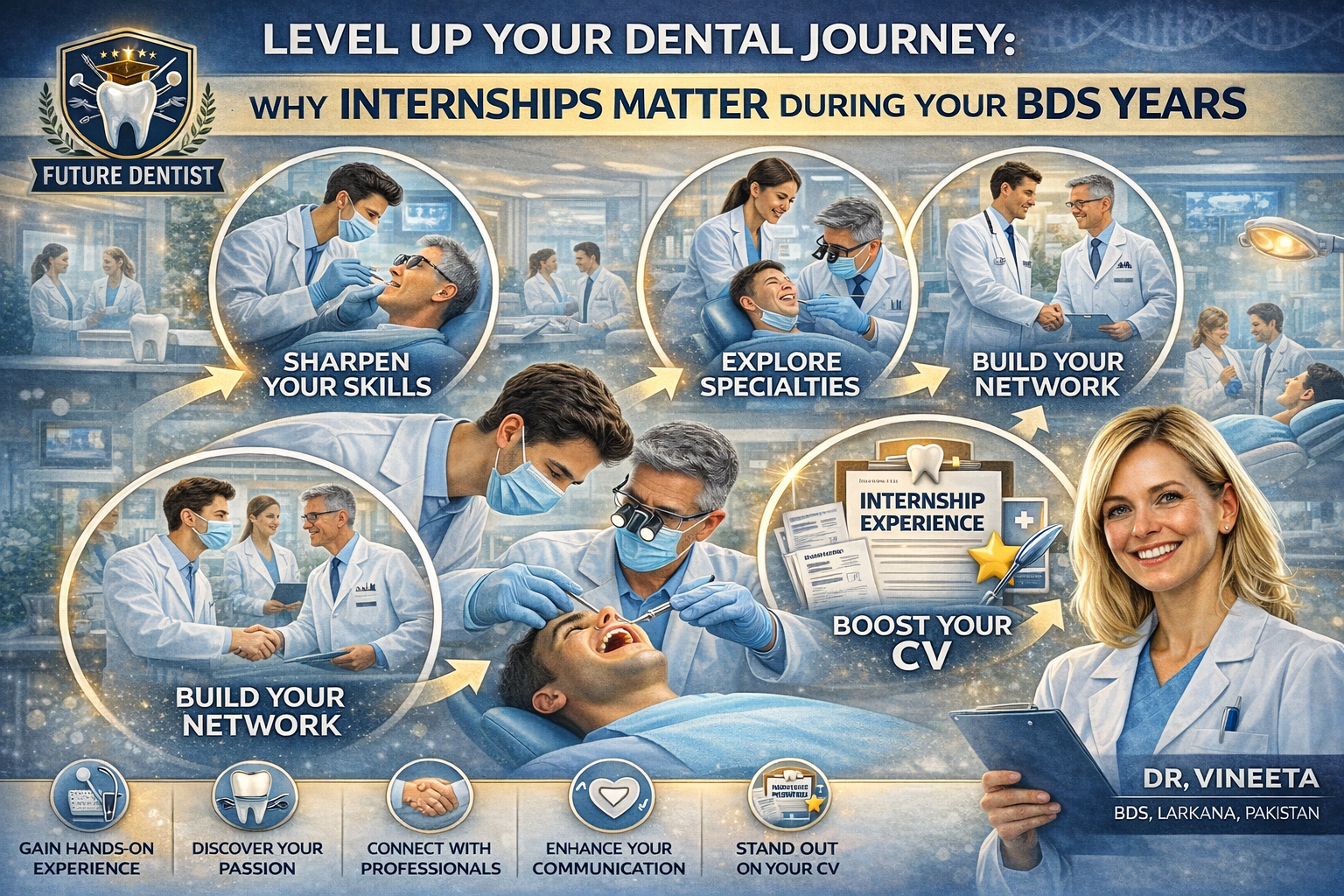
If you are a dentist or dental student exploring job opportunities in India, you are stepping into a market that is active, competitive, and full of variety. Across major job portals, there are hundreds of openings for dentists in clinics, hospitals, chains, and corporate setups across the country.
This article gives you a simple overview of:
- The current landscape for dentist jobs in India
- Common roles and responsibilities
- Typical salary ranges
- What to check before applying
- How to make your CV and application stand out
1. The Current Dentist Job Market in India
India’s dental job market is largely driven by:
- Private dental clinics – solo or multi chair practices
- Hospital based dental departments
- Corporate dental chains and franchises
- Academic institutions and teaching roles (for experienced dentists)
Most listings you will see are for:
General Dentist / Dental Surgeon / Associate Dentist
Sometimes for roles with a focus on endodontics, prosthodontics, or cosmetic dentistry
There is a steady demand for dentists in:
- Metro cities (Delhi NCR, Mumbai, Bengaluru, Hyderabad, Chennai, Kolkata)
- Tier 2 and Tier 3 cities where private practices are growing quickly
2. Types of Roles You will Commonly See
When you open job portals and search for “Dentist jobs in India,” these are the types of roles you are most likely to find:
General / Associate Dentist
Day to day clinical dentistry
Restorations (fillings), root canal treatments, crowns, and bridges
Extractions and basic minor oral surgery
Scaling and polishing
Patient counselling and treatment planning
Resident Dentist in Hospitals / Chains
Working in multi chair setups
Coordinating with specialists (ortho, pedo, endo, OMFS)
Handling OPD flow and patient communication
Specialist Roles (less frequent, more competitive)
Endodontist
Orthodontist
Prosthodontist
Oral Surgeon
These often require MDS or strong specialist experience.
3. Salary Ranges: What Can Dentists Expect?
Salaries for dentists in India vary widely, depending on:
- City / location (metros vs smaller towns)
- Type of clinic or hospital
- Experience level (fresher vs 2–5 years vs senior)
- Working hours and patient flow
You will commonly see:
- Entry level roles: often offer lower fixed pay and sometimes incentives based on patients or procedures
- Mid-level roles (2–4+ years’ experience): better fixed salaries and/or revenue sharing
- High volume or premium practices: may offer good earnings if you have strong clinical skills and communication
When reviewing job listings, always look at:
- Fixed salary vs incentive or revenue share
- Full time vs part time
- Working hours and weekly off
4. Key Things to Check Before You Apply
Before sending your CV, take a moment to evaluate the job carefully:
a) Clinical Responsibilities:
Are you expected to handle all general procedures independently?
Will there be specialist support, or are you the only dentist?
b) Learning & Growth:
Is there mentorship from a senior dentist?
Will you get exposure to newer treatments such as implants, aligners, digital dentistry, cosmetic dentistry?
c) Contract and Benefit:
Full time or part time?
Leave policy, notice period and probation
Incentive structure (percentage, targets, etc.)
d) Location & Lifestyle:
Is relocation required?
How does the salary compare to local cost of living?
Commute time and working hours
5. How to Make Your Application Stand Out
Even in a crowded market, a well-presented profile can make a big difference.
a) Build a Clear, Professional CV
Include:
- Your full qualification (BDS / MDS and year of graduation)
- State Dental Council registration
- Clinical skills: RCTs, crowns & bridges, extractions, dentures, cosmetic work, paediatric patients, etc.
- Any extra courses (endo, aesthetics, implants, aligners, etc.)
- Languages you speak (very important in local practices)
b) Highlight Real Clinical Experience
If you can, add:
- Case summaries (without patient identifiers)
- Types and number of procedures commonly performed
- Experience with digital X rays, intraoral scanners, rotary endo, etc.
c) Write a Simple but Strong Cover Message
When applying, do not just upload a CV silently. Add a short message:
- Who you are
- Your experience level
- Your key strengths (e.g., communication, gentle handling of anxious patients, paediatric care, RCT confidence)
- Why you are interested in that specific clinic or city
d) Prepare for Common Interview Questions
Examples:
“What procedures are you most confident with?”
“How do you handle a nervous or difficult patient?”
“How do you explain treatment plans and costs?”
“What would you do if a patient is unhappy with the result?”
6. Using Job Portals Effectively
When using platforms like Indeed and others:
- Search with keywords like “Dentist”, “Dental Surgeon”, “Associate Dentist”
- Filter by location, salary range, and experience level
- Save jobs and apply in batches with a customised short message
- Regularly update your profile so you appear active to recruiters
You can browse the latest dentist openings in India on job portals such as Indeed and use them as a live snapshot of what the market currently offers.
7. Final Thoughts
The dental job market in India offers a wide range of opportunities for both fresh graduates and experienced dentists. While some entry level positions may offer modest starting salaries, they can still provide:
- Valuable chairside experience
- Confidence in clinical skills
- Exposure to patient communication and practice management
If you choose your jobs strategically looking at learning, growth, and long-term vision rather than just starting salary you can build a strong foundation for your future career, whether that leads to specialisation, private practice ownership, or international opportunities.