Abstract
Cracked Tooth Syndrome (CTS) happens when a tooth has a small crack that may not be visible but causes pain while chewing. This article gives a simple explanation of how to identify, diagnose, and manage cracked teeth using the latest techniques in 2025.
Introduction
Cracked Tooth Syndrome is one of the most confusing causes of tooth pain. The patient often says they feel sharp pain when biting or releasing pressure, but there is no cavity visible. It mostly affects lower molars or teeth with large fillings. Early diagnosis is important to save the tooth.
Causes of Cracked Tooth
- Biting hard foods like ice, nuts, or bones
- Habit of grinding or clenching teeth (bruxism)
- Large or old fillings that weaken cusps
- Sudden temperature changes (hot to cold)
- Root canal treated teeth that become brittle
Common Symptoms
- Sharp pain on biting or releasing pressure
- Sensitivity to cold or sweet
- Pain that comes and goes
- Patient cannot point to one tooth exactly
- Tooth may look normal
Diagnosis Made Simple
- Transillumination – Use bright light; the crack appears as a dark line.
- Bite test (Tooth Slooth) – Pain on biting one cusp shows crack location.
- Magnification or microscope – Helps find fine cracks.
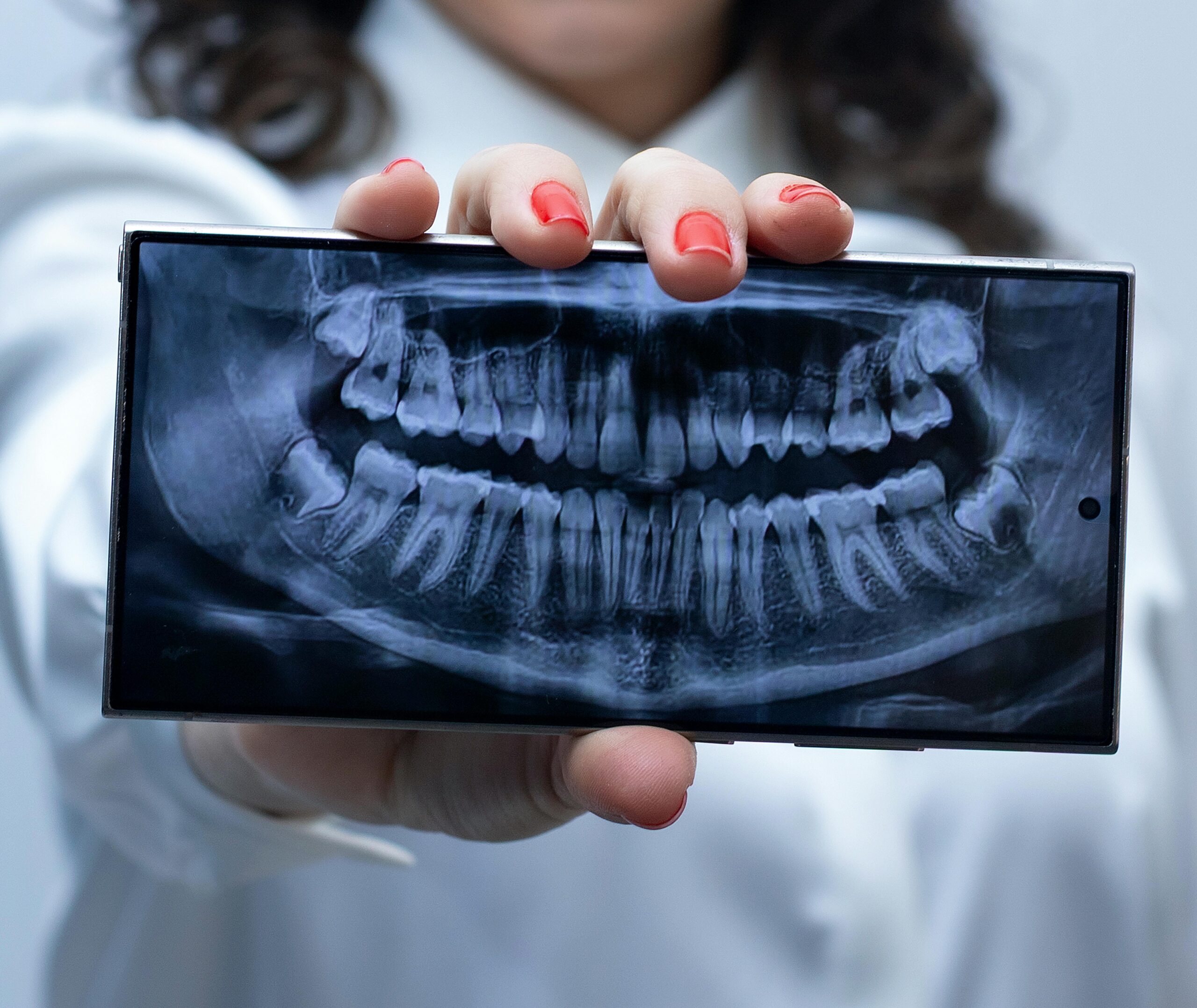
- CBCT – 3D scan shows deep or hidden fractures.
- Staining or Dyes – Sometimes helps to highlight cracks.
Types of Tooth Cracks
- Craze lines – Only enamel, painless.
- Fractured cusp – One cusp broken but not into pulp.
- Cracked tooth – Crack extends toward pulp.
- Split tooth – Tooth divided into two parts.
- Vertical root fracture – Usually in root-filled teeth.
Treatment Options
- Shallow cracks – Smooth or seal with composite.
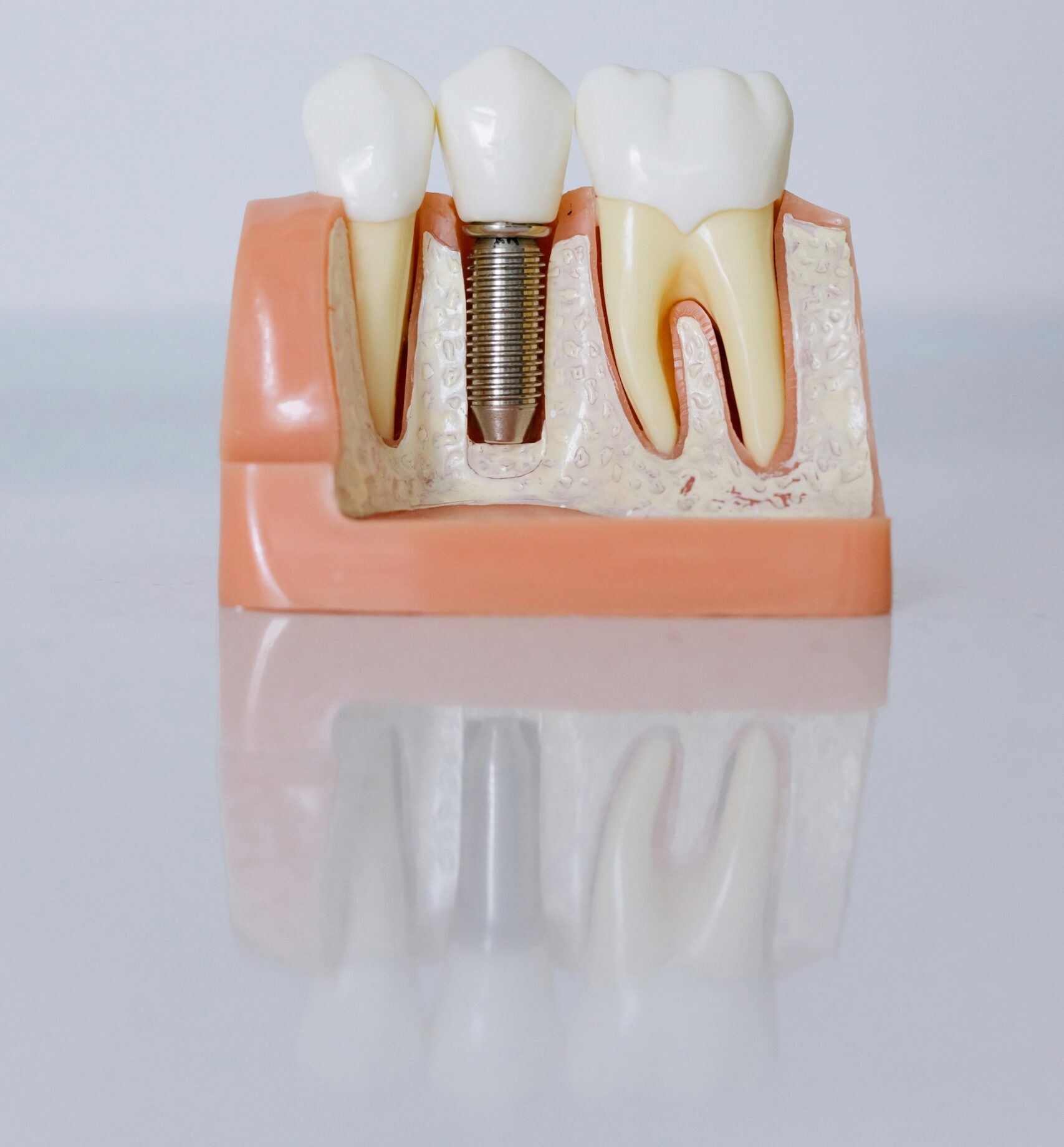
- Moderate cracks – Cover with onlay or full crown to hold cusps together.
- Crack reaching pulp – Do pulp capping or RCT, then crown.
- Split tooth – Extraction is usually required.
Prevention Tips
- Use night guard for patients with bruxism
- Avoid hard foods
- Check occlusal balance after large restorations
- Always cover weak cusps after endodontic treatment
New Advances (2025)
- CBCT software now detects microcracks automatically
- AI and digital scanners can highlight early fractures
- New bioactive materials like Biodentine and MTA protect pulp
- Fiber-reinforced composites improve strength
Conclusion
Cracked Tooth Syndrome can be tricky to diagnose but easy to manage when detected early. Use magnification, light, and proper imaging to locate cracks. Cover weak teeth with cuspal coverage and educate patients to avoid hard biting habits.