Written by: DR VINEETA DEVI
Have you ever wondered if humans can have a new set of teeth in their 40s?
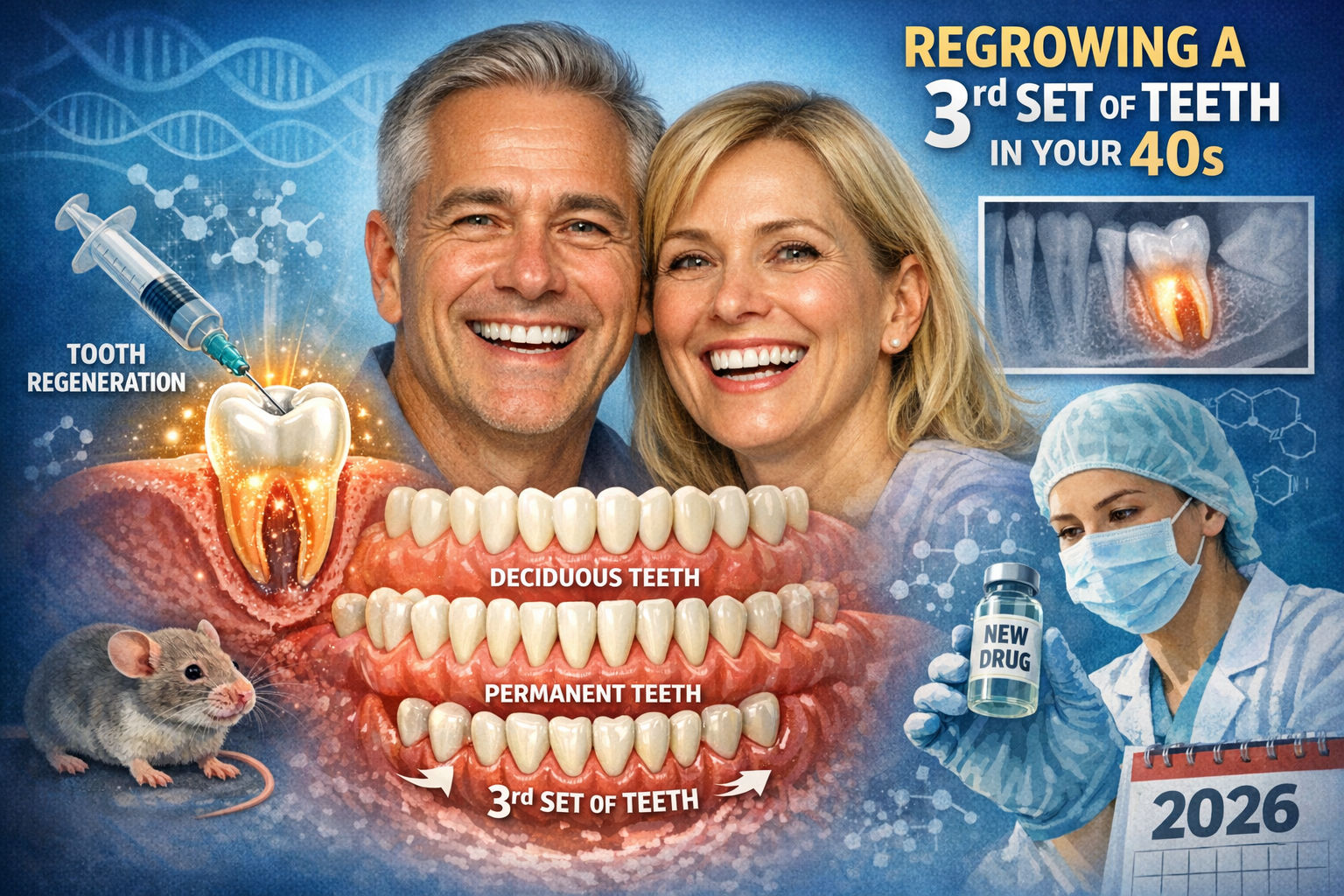
Modern dentistry has made it possible to regrow the 3rd set of your natural teeth. Humans naturally get two sets of teeth in their entire life one is deciduous teeth and then permanent teeth.
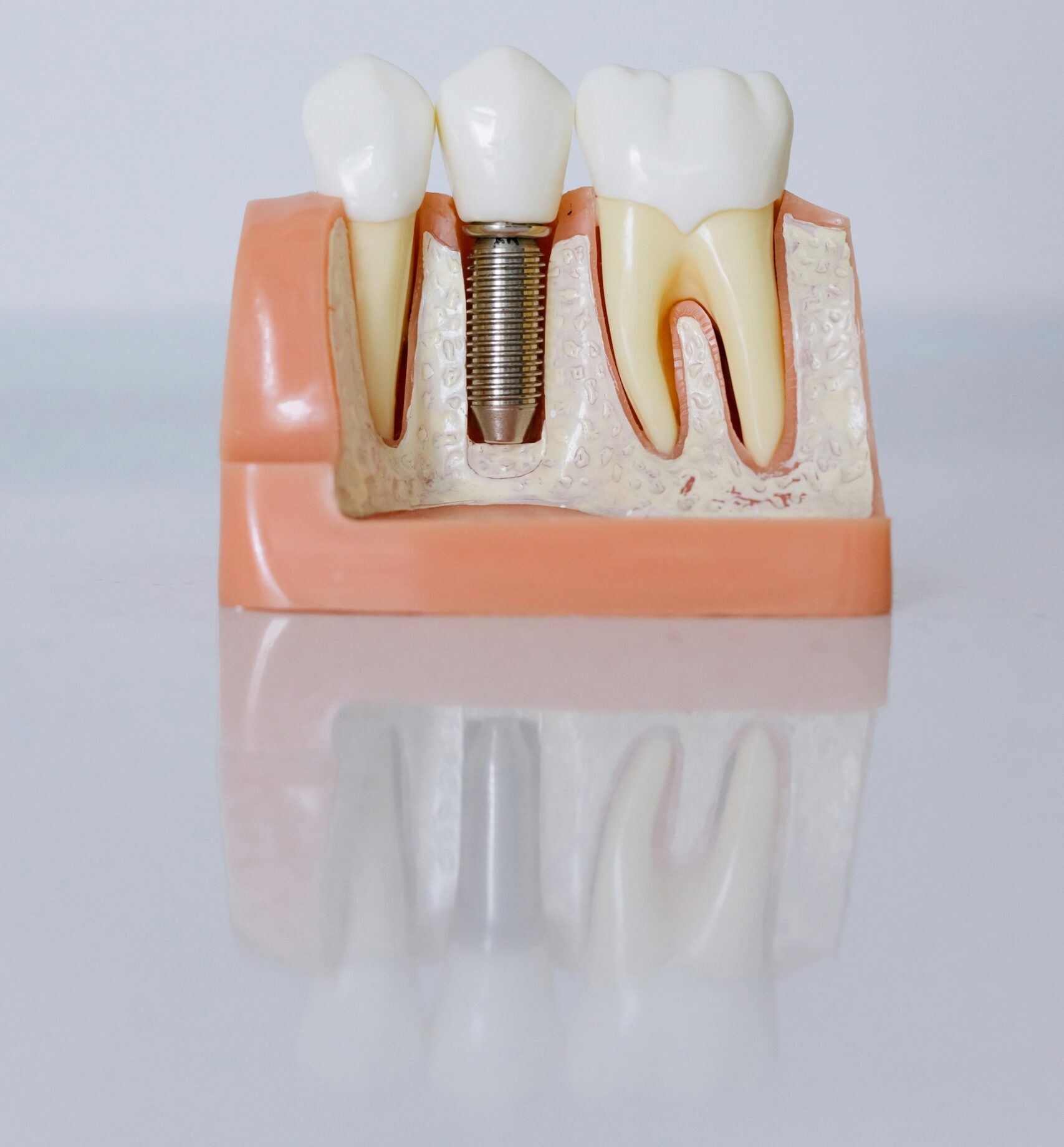
There are many options for the replacement of missing teeth, from RPD to FPD, and the best of all is the implant prosthesis. But still, no prosthesis can truly replace a natural tooth. Even if the implant is the best option, having most of the properties of natural teeth from osteointegration to the force-bearing system that can mimic natural teeth, still not every patient is ideal for having an implant. Mostly in lower-income countries, cost is also a major barrier for having implants, and it can also come with complications like inferior alveolar nerve damage in the lower posterior area or mental nerve damage in the lower premolar area. Mostly, in adjunct with implant placement surgery, patients need synthetic bone placement due to reduced bone height or poor bone quality or sinus lift surgeries which can cost extra dollars and also requires extra healing time before final prosthesis. One can sell a kidney to replace a tooth to have better aesthetic function and durability, which lacks a guarantee to stay and function well. However, most of the implant surgeries go successful, and the dentist plans surgery according to the specific needs and condition of the patient, forms its customized treatment plan, and provides additional services needed to make everything align and successful. As implant treatment is done only by specialized dentists who have specialized training and certificate to do implant surgery, most implant surgeries turn successful, but some factors are also patient-dependent, like oral hygiene maintenance, diabetes control, and smoking cessation, which are needed for the durability of the implant. Patients mostly neglect these minor but important factors, resulting in the failure of the implant prosthesis.
Humans have two sets of teeth: one is deciduous, which remains from 6 months of age to 6 years. After that, deciduous teeth start to shed, and permanent teeth come in place, which remain after that. If a deciduous tooth is missing, it rarely happens that the successor permanent tooth is also missing, but it may happen. But if the permanent tooth is missing or extracted for any reason, there is no other set of teeth that humans can develop.
But in the future, humans can also have a 3rd set of teeth. After hard work and intense research over many years, Kyoto University / Toregem Biopharma (Japan) has made it possible to grow a 3rd set of teeth in clinical trials on mice. A drug named Anti–USAG-1 monoclonal antibody was introduced to give a future to the 3rd set of human teeth.
Both BMP and Wnt are essential for tooth development during embryonic and early developmental stages.
In experiments on animals, a single injection was able to trigger the formation of an entirely new tooth germ. The tooth was developed in normal position and occlusion with no abnormal growth pattern like a tumor.
This experiment was successful in mice, and new teeth have been developed after giving the drug to mice. Experiments are now looking forward to being successful in humans and can be officially launched in 2026, breaking the major dilemma of dentistry. People can now have their new set of natural teeth in their 30s, 40s, or 60s.
If this experiment gets successful, this can be the first-ever tooth-regenerative, drug-induced therapy in humans.
This new innovation is a great option for teeth replacement, but it can also be a major problem-solver for patients with oligodontia or anodontia. They can also have their natural teeth which have not been developed.
If scientists become successful in this experiment, this can be the greatest revolution in dentistry till now.
Research is still in its clinical trials and lacks research on its safety, and any contraindications of the drug are also not mentioned.

There is a possible risk of hypersensitivity due to the drug, which can trigger immune responses. Is the drug suitable for all?
However, injecting the drug can also trigger abnormal tissue responses and uncontrolled activation of tooth germs in people with normal dentition, so the drug is suitable only for patients with missing permanent teeth.
Research also lacks data on the safety of the drug in pregnant women, lactating mothers, patients with renal or hepatic disease, or any other systemic disease.
Research and clinical trials should be considered for drug safety in compromised patients.
Future studies emphasize drug safety and metabolism.
Another important aspect that needs to be considered.
Long-term studies also remain on the to-do list, as there is a lack of long-term effects of USAG-1 on humans.